Anxieties of Outage Part I: Technology
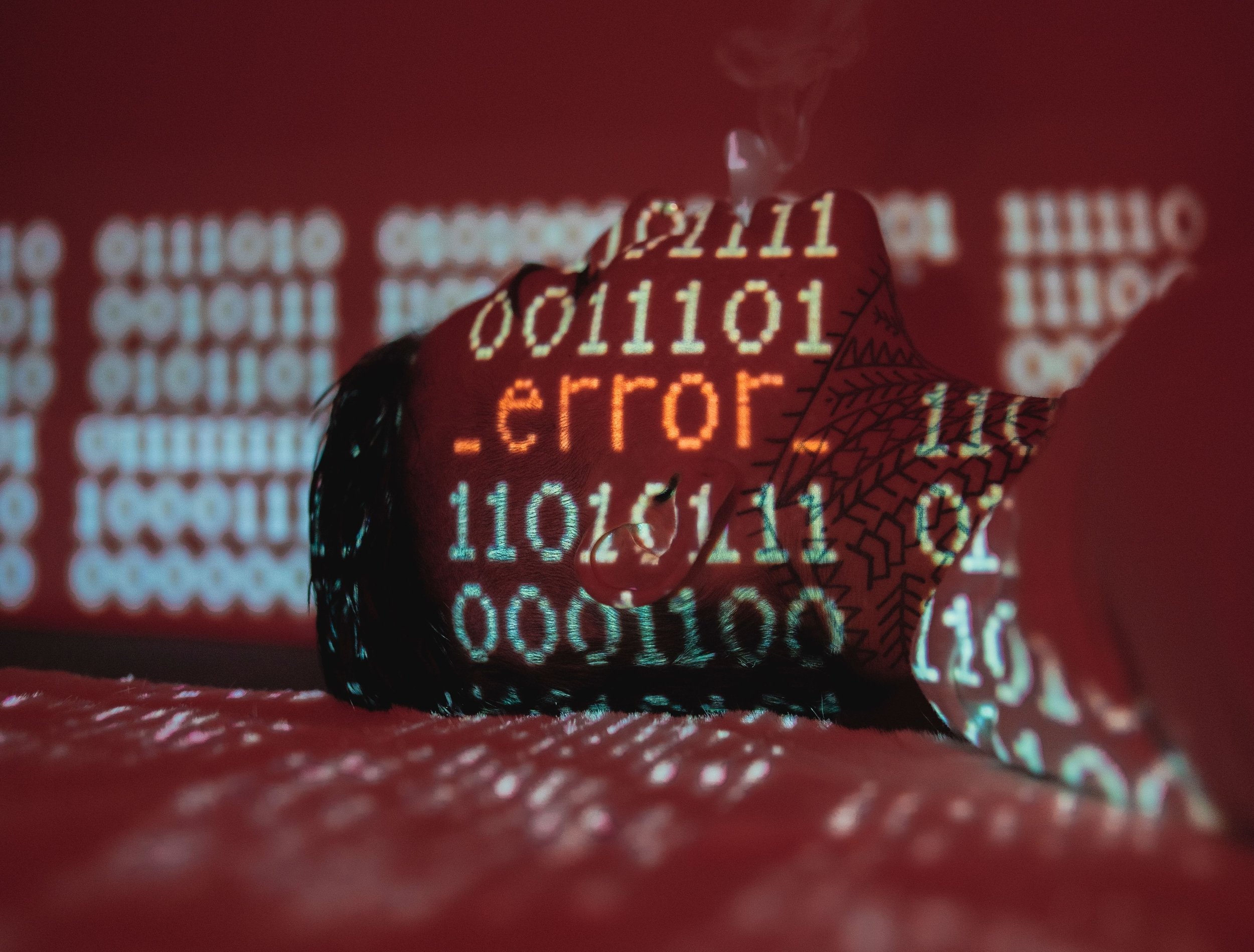
Photo credit: Nina Hill on Pexels
One of the most powerful aspects of fiction is its ability to help us untangle the anxieties, fears, and universal truths facing humanity. Particularly during times of great societal transformation, fiction articulates the perils facing us but also identifies coping mechanisms, giving us hope that as human beings we will persevere.
It’s this type of novel, speculative fiction that utilizes narrative and characters to provide incisive commentary on the issues of our time, that inspired me to become a novelist. These stories, such as Brave New World by Aldous Huxley, Nineteen Eighty-Four by George Orwell, Fahrenheit 451 by Ray Bradbury, The Grapes of Wrath by John Steinbeck, The Handmaid's Tale by Margaret Atwood, Atlas Shrugged by Ayn Rand, and Invisible Man by Ralph Ellison, just to name a few, can change how we view the world.
It is safe to say that we live in an age of great societal transformation. Whether it’s the breakneck pace of technological innovation, the exacerbating polarization of our politics, or the erosion of confidence in our institutions, change seems constant—and with that change comes anxiety. Even though I write contemporary thrillers, primarily meant to entertain, I think every author has an obligation to offer some social commentary. And every thriller is inspired by the things that scare us.
In Outage, I wanted to explore the prevalent anxieties that so many of us carry every day, particularly around technology, politics, and our social fabric. My vessel for these anxieties is Rachel, the protagonist of Outage, who finds herself confronting these worst-case-scenario fears. As bestselling thriller novelist Alex Finlay says in the cover quote, “Outage taps into one of our deepest modern fears and never lets go. ”
While the events of the novel are fictional, the concerns that inspired it are rooted in real-world trends. So, in anticipation of the novel’s release in October, I am explaining in a series of three posts, the modern anxieties that inspired the novel and are channeled through Rachel’s story.
The Anxieties of Outage, Part 1: Technology
I spent the majority of my career in the technology industry. Not to date myself, but when I started in tech, right around the dawn of the internet, we would talk about how technology was making the world a better place without it being a complete eye roll. It was before “Big Tech” or the “Magnificent 7,” before Musk, Zuckerberg, and Bezos, and before anyone other than Steven Spielberg was talking about “Artificial Intelligence.”
I love technology and advise several tech founders, CEOs, and companies. I’m still immersed in the industry. But as I started writing novels, I found I had a lot to say about the potentially adverse impacts of technology on modern life. This commentary about technology has become my lane as a writer—both my previous novels, Bit Flip and Burner, delved into the impacts of technology on modern life.
The instigating event of Outage, a massive cyberattack that disables internet and mobile phone communications nationwide, has three major technology anxieties as its foundation.
1) The Threat of Artificial Intelligence
Talking about the dangers of AI is nearly as prevalent today as talking about the dangers of nuclear warfare in the 1950s, with good reason. The technology is suddenly ubiquitous, permeating our consciousness, dominating news headlines, threatening our livelihood, and transforming all aspects of our day-to-day lives.
I’m no luddite. I use AI every day and see enormous benefits accruing to humanity as a result of the technology. But I also see enormous negative consequences—from job loss to the diminishment of human autonomy, fraud proliferation to the spread of misinformation, not to mention surveillance, terrorism, and warfare. Particularly AI in the hands of bad actors with nefarious intentions, a scenario that increasingly feels like a certainty.
Although Outage isn’t really about AI, the story practically assumes AI is the enabling technology for perpetrating the cyberattack at the center of the plot. Rachel is a technophobe herself but is unwittingly forced to grapple with the consequences the technology has unleashed—just as we all are.
2) The Precariousness of the Global Semiconductor Supply Chain
Though you might not stay up at night worrying about where your semiconductors will be fabricated, the concentration of chip design and manufacturing in an incredibly small number of global suppliers has been looming over us for decades (remember COVID, when everything from cars to microwaves were in short supply thanks to chip shortages?).
One of my inspirations for Outage was the excellent nonfiction book Chip War: The Fight for the World's Most Critical Technology by Chris Miller. Miller articulates how the global semiconductor industry depends on a very small number of companies—making it extremely vulnerable to geopolitical tensions, supply chain disruptions, and market manipulation.
The fictional companies in Outage (CTMS, Vynova, and SaiTech Systems) are inspired by real-world analogs, including TSMC, Nvidia, and Huawei. These processors are arguably the most complex things human beings have ever created. In Outage, I speculate how chips could be compromised by introducing a deliberate back-door vulnerability—often called a “zero-day vulnerability”—that is lying dormant in the technology we depend on every day, waiting to be exploited.
3) Our Dependence on Technology
Imagine life without your smart phone. Most of us have developed a full-blown dependence on these devices for communication, information, entertainment, navigation, payments, and more. At the same time, the infrastructure that powers these devices is, in some ways, more fragile than ever.
In Outage, I wondered what life would be like with those devices rendered useless, taking the entire country back to the late 80s. Not only does this leave Rachel with an unsettling sense of vulnerability upon losing all those capabilities, but it exposes the growing cracks in human relationships—leading to distrust and societal unrest.
Ultimately, it is the blend of these three technological anxieties that provides the premise for Outage—artificial intelligence finding semiconductor vulnerabilities at scale to render us all incompetent without the crutch of our phones.
Anthropic’s recent announcement that they delayed the release of their Mythos model after it uncovered thousands of security vulnerabilities in the underlying systems that enable the internet was a further inspiration of just how real this threat is.
Don’t fear, you won’t need a PhD in applied math to understand the plot of Outage. These technology anxieties are merely the backdrop for the drama.
Next month, I'll tackle the Anxieties of Outage Part II: Politics.